
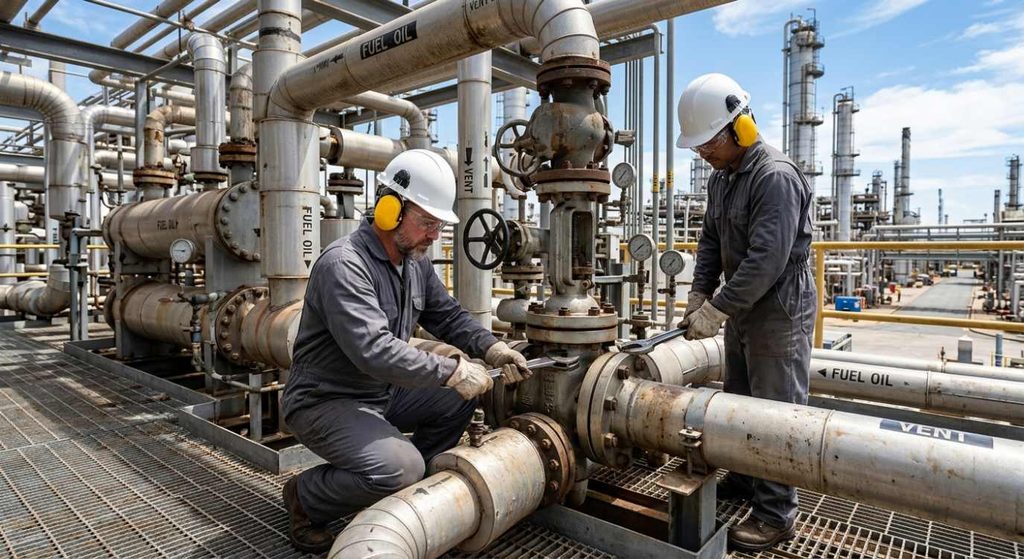
Managing the operation and maintenance of an industrial facility requires more than responding to equipment failures. Facility owners need to maintain reliable operations, manage maintenance activities, meet safety and regulatory requirements, and ensure that the workforce has the right technical capabilities.
For some facilities, developing all of these capabilities internally can require significant investment in people, systems, training, and management resources. This is why some owners choose to outsource Operation and Maintenance (O&M) activities to a specialized third-party provider.
Outsourcing can give facility owners access to technical expertise, skilled personnel, structured maintenance practices, training, and safety capabilities without having to build every function internally. However, the decision should be based on the facility’s operational requirements and long-term objectives rather than cost alone.
Why Facility Owners Consider O&M Outsourcing
The decision to outsource O&M is usually driven by a combination of operational, technical, and business considerations. For board members and asset owners, the question is not simply whether an external contractor can perform maintenance. The more important question is whether a third-party model can provide the capabilities needed to improve facility performance while managing operational risks.
Access to Specialized Technical Expertise
Industrial facilities depend on complex equipment and interconnected systems that require specialized knowledge. Maintaining this expertise entirely in-house can be difficult, particularly when a facility uses different technologies or requires support for specialized systems.
A specialized O&M provider can bring engineers, technicians, and other professionals with experience in specific equipment, maintenance practices, operating environments, and reliability requirements.
This gives owners access to capabilities that may otherwise require significant time and resources to develop internally.
Reducing the Burden of an In-House O&M Team
Building a complete internal O&M function involves more than hiring maintenance technicians. Depending on the facility, owners may need engineers, supervisors, planners, safety specialists, technicians, and other support personnel.
There are also ongoing responsibilities related to recruitment, workforce planning, training, competency development, and employee retention.
Outsourcing can reduce this burden by providing an established team and management structure. Instead of developing every capability from the beginning, the owner can work with a provider that already has the required resources and experience.
Improving Reliability and Maintenance Performance
A well-structured O&M strategy can directly influence equipment reliability, availability, and overall facility performance. This is particularly important for industrial facilities where unexpected equipment failures can affect production, safety, and operating costs.
Moving Beyond Reactive Maintenance
Third-party O&M providers can support preventive and corrective maintenance, inspections, troubleshooting, equipment monitoring, and reliability-focused activities. The objective is not simply to repair equipment after a failure. Planned maintenance and early identification of potential problems can help reduce unplanned downtime and improve the predictability of maintenance activities.
For asset owners, this can support better equipment availability and more effective maintenance planning while providing a structured approach to maintaining critical systems.
Managing Critical Assets More Effectively
Not every asset has the same impact on facility performance. Critical equipment may require closer monitoring, more frequent inspections, or specific maintenance strategies depending on its role within the facility.
An experienced O&M provider can help align maintenance activities with asset criticality, operating conditions, and production requirements rather than applying the same approach to every piece of equipment. This can help owners focus resources on assets where reliability has the greatest operational impact.
Supporting Safety, HSEQ and Workforce Competency
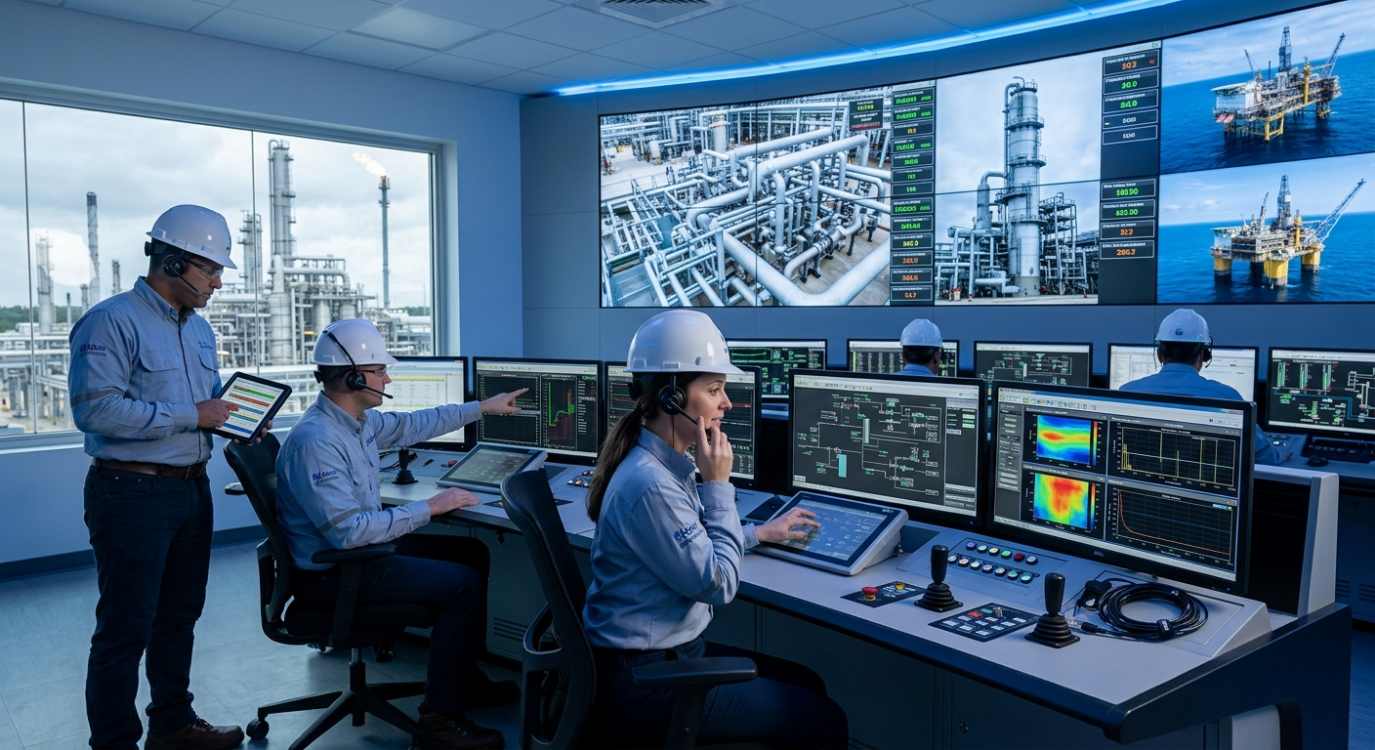
Safety and workforce capability are closely connected to the performance of an industrial facility. O&M activities may involve hazardous equipment, energy sources, chemicals, confined spaces, and other operational risks.
Safety and HSEQ Management
An experienced O&M provider can bring established safety procedures, HSEQ practices, risk assessment processes, and compliance requirements into day-to-day operations. This can help integrate safety into routine maintenance and operational activities rather than treating it as a separate function.
Outsourcing does not remove the owner’s responsibility for safety. The owner still needs to establish clear requirements and monitor performance, but a qualified O&M partner can provide additional technical and operational expertise to support these responsibilities.
Training and Workforce Competency
Maintaining a capable workforce is another important part of reliable facility operations. Equipment, technologies, processes, and safety requirements can change over time, so personnel need appropriate technical and safety training to maintain their competency.
A third-party O&M provider may support technical training, safety awareness, competency development, and workforce preparation as part of its service model. This can be particularly useful when a facility enters a new operational phase, introduces new equipment, or requires skills that are not available within the existing workforce.
Managing Costs and Operational Resources
Cost is often an important consideration when evaluating O&M outsourcing, but the decision should not be based simply on comparing contractor fees with employee salaries. An internal O&M model may involve recruitment, salaries, training, supervision, workforce planning, equipment, and other operating costs. Outsourcing can allow some of these resources to be managed through a defined service arrangement while providing greater flexibility when workforce requirements change.
For this reason, owners should consider the total cost of maintaining the required O&M capabilities internally and compare it with the overall value, resources, expertise, and operational support provided by a third-party model. This gives decision-makers a broader basis for evaluating whether outsourcing is the right approach for the facility.
Flexibility Across Different Operational Phases
O&M requirements can change throughout a facility’s lifecycle. A new facility may require commissioning and start-up support, while an operating facility may need ongoing maintenance and reliability management. Major shutdowns and turnarounds can also create temporary increases in manpower and technical requirements.
How OTAK Supports Facility Owners ?
OTAK provides Operation and Maintenance services to help facility owners maintain reliable operations, manage critical assets, and support safety and workforce requirements.
Through its technical expertise and structured maintenance practices, OTAK supports facilities across different operational phases while helping owners manage their O&M requirements effectively.