Why Outsource Operations & Maintenance to a Third Party
Managing an industrial facility requires reliable equipment, skilled personnel, effective maintenance planning, and strong safety practices. Maintaining all these capabilities internally can require significant resources, which is why some facility owners consider outsourcing Operations & Maintenance (O&M) to a third party provider.
Outsourcing can provide access to specialized expertise, trained personnel, structured maintenance practices, and operational support without requiring owners to build every capability internally. The decision, however, should be evaluated against the facility’s operational requirements, internal capabilities, and long-term objectives not cost alone.
Why Facility Owners Consider O&M Outsourcing
O&M outsourcing may be appropriate where specialized capabilities, workforce requirements, or operational demands are difficult to address efficiently through an entirely in-house model. The decision should consider the facility’s asset profile, internal capabilities, operational requirements, and long-term objectives.
Several factors may indicate that an outsourced O&M model is worth considering:
- The facility requires specialized technical expertise.
- Internal Operations & Maintenance resources are limited.
- Workforce requirements change across operational phases.
- The facility includes complex or critical assets.
- Additional training or competency support is required.
- Safety and HSEQ requirements call for specialist experience.
Access to Specialized Technical Expertise
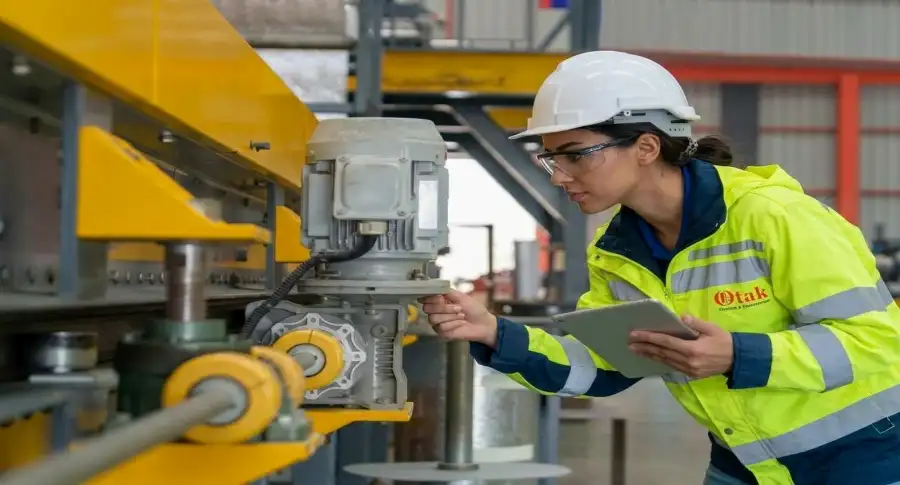
Industrial facilities rely on different equipment, technologies, and operating systems. Maintaining this breadth of expertise in-house can be challenging, particularly where facilities require specialist support.
A specialized O&M provider can provide engineers, technicians, and other professionals with relevant technical experience. This can give owners access to specialist capabilities that can otherwise require significant resources to establish and maintain internally.
Reducing the Burden of an In-House O&M Team
An internal Operations & Maintenance function may require engineers, supervisors, planners, technicians, safety specialists, and ongoing recruitment and training.
Rather than building and maintaining these capabilities internally, owners can work with a provider that has access to the required resources and technical expertise.
Improving Reliability and Maintenance Performance
A structured O&M approach can support equipment reliability, availability, and facility performance.
Preventive Maintenance and Critical Assets
Operations & Maintenance services can support preventive and corrective maintenance, inspections, troubleshooting, and equipment monitoring. The objective extends beyond repairing equipment after a failure. Planned maintenance, inspection, and early identification of potential issues can help reduce unplanned downtime and improve maintenance planning.
For asset owners, this supports greater visibility over maintenance requirements and the condition of critical systems. Resources can also be prioritized toward assets with the greatest operational and production impact.
Supporting Safety, HSEQ and Workforce Competency
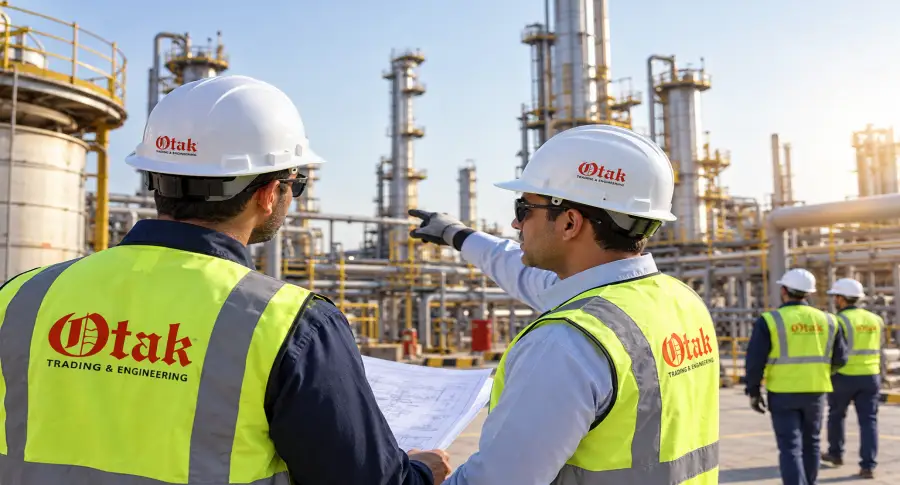
O&M activities can involve hazardous equipment, energy sources, chemicals, and other operational risks, making safety and workforce competency important considerations.
An experienced O&M provider can bring safety procedures, HSEQ practices, risk assessment processes, and compliance requirements into routine operations.
The owner retains overall accountability and oversight, while the O&M provider can support implementation through trained personnel, procedures, and risk controls.
A third-party provider can also support technical training, safety awareness, and competency development when facilities introduce new equipment, enter new operational phases, or require specialist skills.
Managing Costs and Operational Resources
Owners should therefore compare the total cost, resource requirements, technical capability, flexibility, and operational value associated with maintaining O&M capabilities internally versus through a third-party model.
This assessment should consider the full resource requirement of each model, including workforce, recruitment, training, supervision, technical support, and contractor management.
Outsourcing can also provide flexibility when manpower and technical requirements change during commissioning, normal operations, shutdowns, or turnarounds.
Managing Operational Risk
Outsourcing can form part of a broader approach to operational risk management. Equipment failures, skills shortages, maintenance backlogs, safety incidents, and compliance issues can affect facility performance.
A structured O&M model can address these risks through maintenance planning, defined responsibilities, performance monitoring, and access to specialist expertise.
Effective contractor management also requires clear coordination between the owner and service provider, including responsibilities, communication channels, and oversight arrangements. Both parties should understand their respective roles in managing site hazards, work interfaces, and operational requirements.
Choosing an Appropriate Third-Party O&M Partner
Key considerations include:
- Relevant facility experience and an understanding of the applicable operating environment.
- Technical and operational capabilities with qualified personnel and appropriate management systems.
- Safety and HSEQ performance and workforce competency.
- Training and workforce development capabilities.
- Performance management through clear responsibilities, KPIs, and reporting.
A partner should provide more than maintenance manpower. It should bring the technical, operational, safety, and workforce capabilities required to support reliable facility performance.
How OTAK Supports Facility Owners
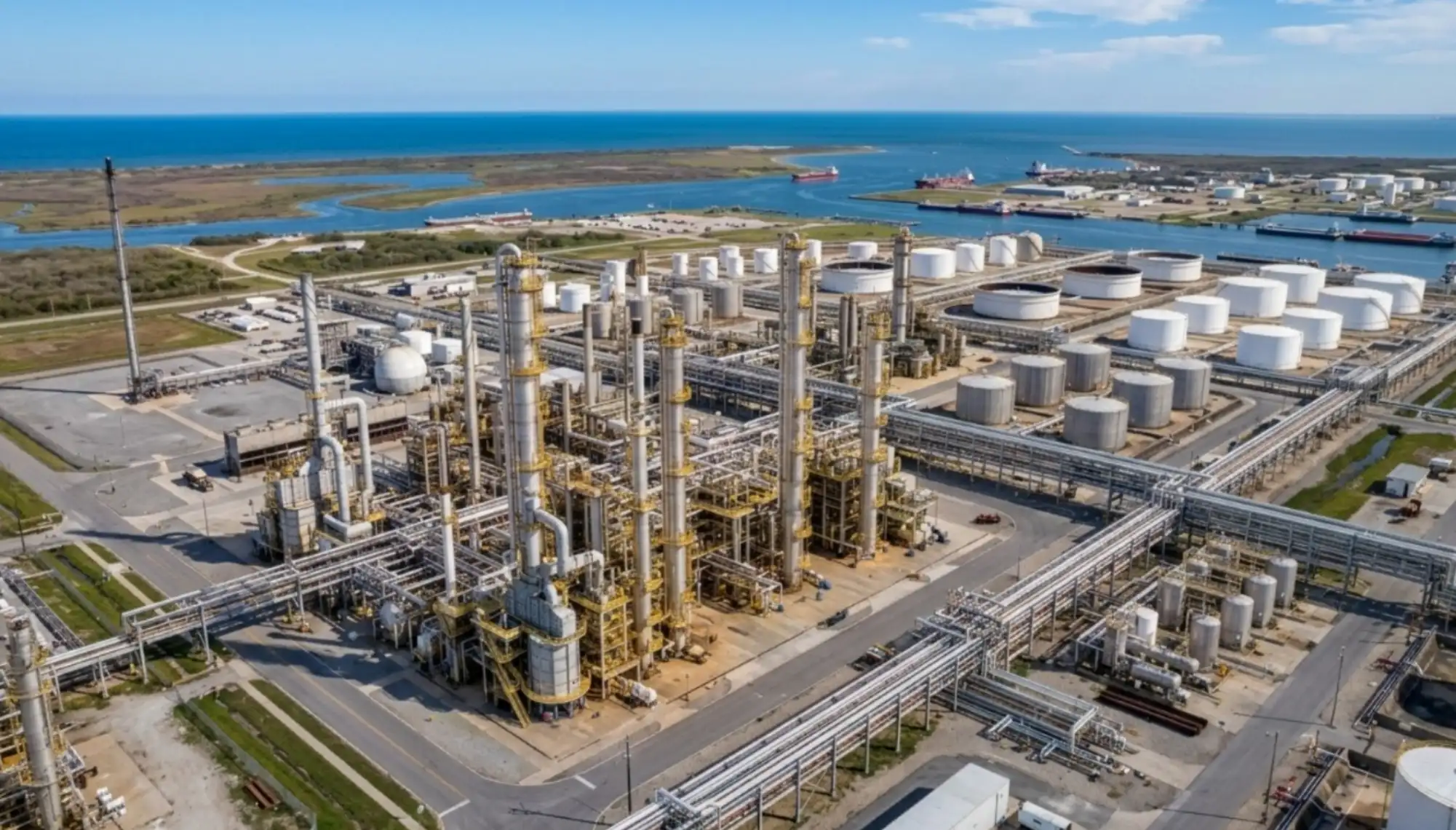
OTAK provides Operations & Maintenance services for oil and gas, petrochemical, fertilizer, and other large-scale industrial facilities.
Its O&M capabilities support facility owners across operational readiness, maintenance, reliability, HSEQ, and ongoing facility performance.
Learn more about OTAK’s Operations & Maintenance services.
A Strategic Decision for Facility Owners
For board members and asset owners, the choice between in-house and outsourced O&M should be evaluated as part of the facility’s broader operational strategy. A third-party model can provide specialized expertise, skilled personnel, training, safety and HSEQ capabilities, and structured maintenance practices while allowing owners to align internal resources with their broader operational priorities.
Evaluating the appropriate O&M model can form an important part of long-term facility management and operational planning.